
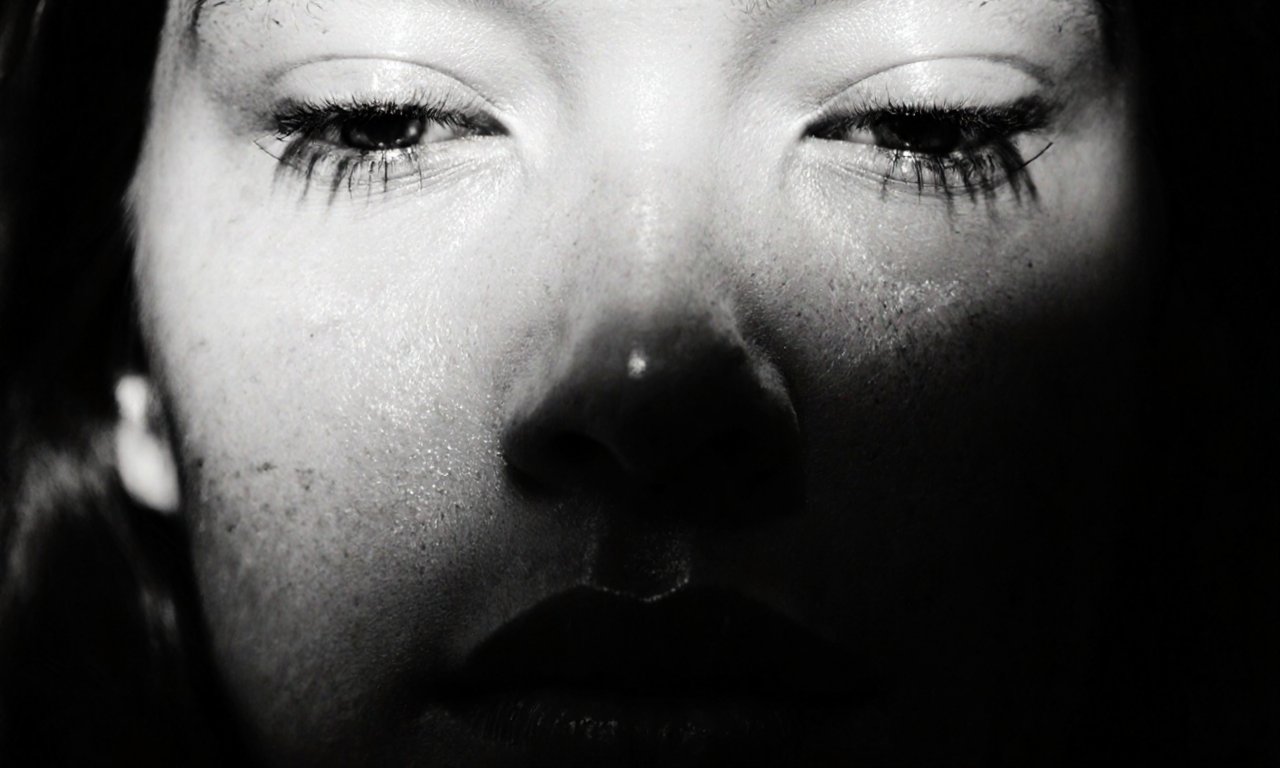
Blepharoplasty
Blepharoplasty refreshes the eyes by removing excess skin or fat from the eyelids, restoring a brighter, more rested appearance.
Procedure Overview
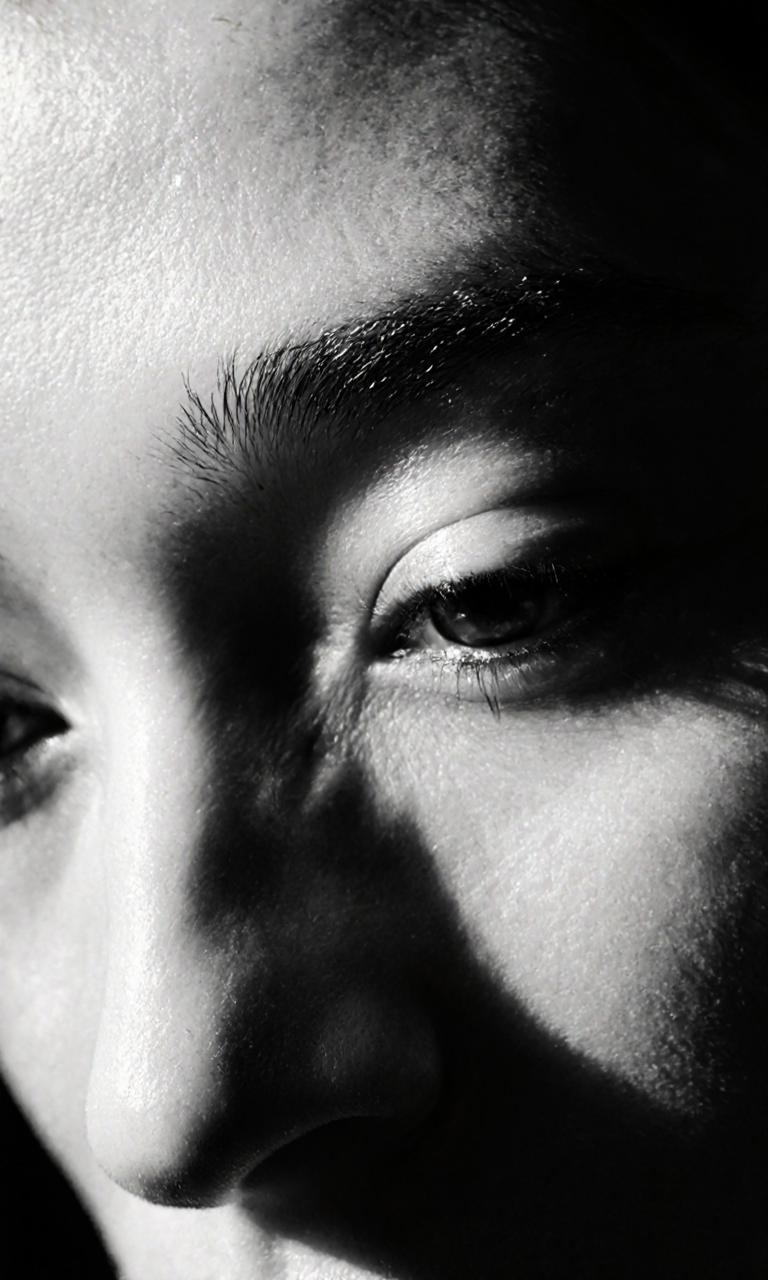
The eyes are a defining element of the face, and are also often the first feature to show signs of ageing. Loose skin, puffiness, or drooping lids can create a tired or heavy look, even when you feel well-rested. Blepharoplasty, also known as eyelid surgery, is designed to refine the upper or lower eyelids, restoring a smoother, more open appearance that still feels entirely natural. If the eyelid itself sits too low because the muscle that lifts it has stretched, ptosis correction may be recommended instead of, or as well as, blepharoplasty.
This procedure can be performed on the upper lids, the lower lids, or both, depending on your needs. For some, it means lifting heavy lids that obscure the natural crease; for others, it is about reducing puffiness or smoothing under-eye bags. The focus is always on enhancing your natural features, not changing their character. A refined approach to the eyelids can accentuate the eyes’ natural vitality and the quiet grace of your expression.

What to Expect
Initial Consultation
Dr. de Chalain will carefully assess your eyelid structure, skin quality, and overall facial balance. Together, you’ll discuss your goals and decide whether upper, lower, or combined blepharoplasty is right for you.
Immediately After
You can usually go home the same day. Cold compresses and lubricating eye drops may be recommended to reduce swelling and keep the eyes comfortable. Temporary bruising, swelling, and mild tightness around the eyes are normal. You will need to arrange transport home after your surgery, as it will not be safe for you to drive for the first few days.
Before Surgery
Blepharoplasty is usually performed under local anaesthetic with sedation or under general anaesthetic, depending on the extent of the procedure. You’ll be given clear instructions about fasting if required, as well as guidance on adjusting medications or supplements.
Recovery
Most swelling and bruising improve significantly within 1–2 weeks, with many patients returning to normal activities around this time. You will most likely be able to resume looking at screens within the first day or two, and return to driving after 4-5 days. You may notice some blurring in your vision as a result of the antibiotic eye drops used after surgery; this should resolve after the first few days. You may also find that the swelling makes it difficult to fully close your eyes when sleeping, but this will also improve as the swelling subsides, usually within a few days. Contact lenses should be avoided for the first two weeks. Sunglasses can help protect the eyes during early healing. Makeup can usually be worn once initial healing has settled.
During Surgery
For upper eyelids, fine incisions are made in the natural crease so they are well hidden. For lower lids, incisions may be placed just beneath the lash line or inside the lid. Through these, excess skin and fat are removed or repositioned, and the tissues are refined to create a smooth, natural contour.
Post-Operative Follow-Up
Your first follow-up appointment will typically be within a week of surgery to check healing and remove sutures if needed. Further visits ensure your recovery is progressing well and allow your surgeon to answer any questions as your final results take shape.
Frequently Asked Questions
-
Upper blepharoplasty removes loose or sagging skin from the upper eyelids, often improving vision as well as appearance.
Lower blepharoplasty addresses puffiness, under-eye bags, and fine creases beneath the eyes. These procedures can be performed separately or together, depending on your needs. -
Ideal candidates are healthy adults with drooping upper eyelids, under-eye bags, or tired-looking eyes who wish to restore a refreshed, natural appearance. Good skin elasticity and realistic expectations are important for optimal results.
-
For upper eyelids, a fine incision is made within the natural crease, allowing removal or repositioning of excess skin and fat. For lower eyelids, incisions are typically placed just below the lash line or inside the eyelid (transconjunctival approach) for a scarless result. The procedure is usually done under local anaesthetic with sedation or general anaesthetic.
-
Most patients experience mild swelling or bruising for about a week. Discomfort is minimal and can be managed with simple pain relief. Stitches are typically removed after 5–7 days, and most people return to normal activities within 10–14 days. Makeup can usually be worn after one to two weeks.
-
Incisions are placed in natural folds or inside the eyelid, so scars are very discreet once healed. With good care, they usually fade to near invisibility over time.
-
Results are long-lasting (typically 10–15 years), though natural ageing continues. Most patients find their eyes remain brighter and more youthful than before surgery for many years.
-
No — the aim is to restore your natural eye contour, not alter it. Modern techniques focus on repositioning fat rather than removing too much, ensuring a smooth, natural look rather than a hollow or “overdone” appearance.
-
Yes. It’s often performed alongside a brow lift, temple lift, or facelift for balanced rejuvenation across the upper and lower face. Non-surgical treatments such as laser resurfacing or skin tightening can further enhance results.
-
Costs vary depending on whether upper, lower, or both eyelids are treated, and whether the procedure is combined with other surgeries. A detailed quotation is provided following your consultation and examination. For more information on how we price our procedures, see our Pricing Information page.
Learn More


Get In Touch
Want to learn more or ready to book a consultation?